Why Nature Is at the Heart of My Work: Ecotherapy for Helpers
Long before I knew the word ecotherapy, I knew the sea could calm me.
I was born and raised in Belize. The warm water, the green, the way everything slows down in the late afternoon: these were the first things that taught my body how to settle. I didn't have language for it then. I just knew that when I was near the water, something in me could finally rest.
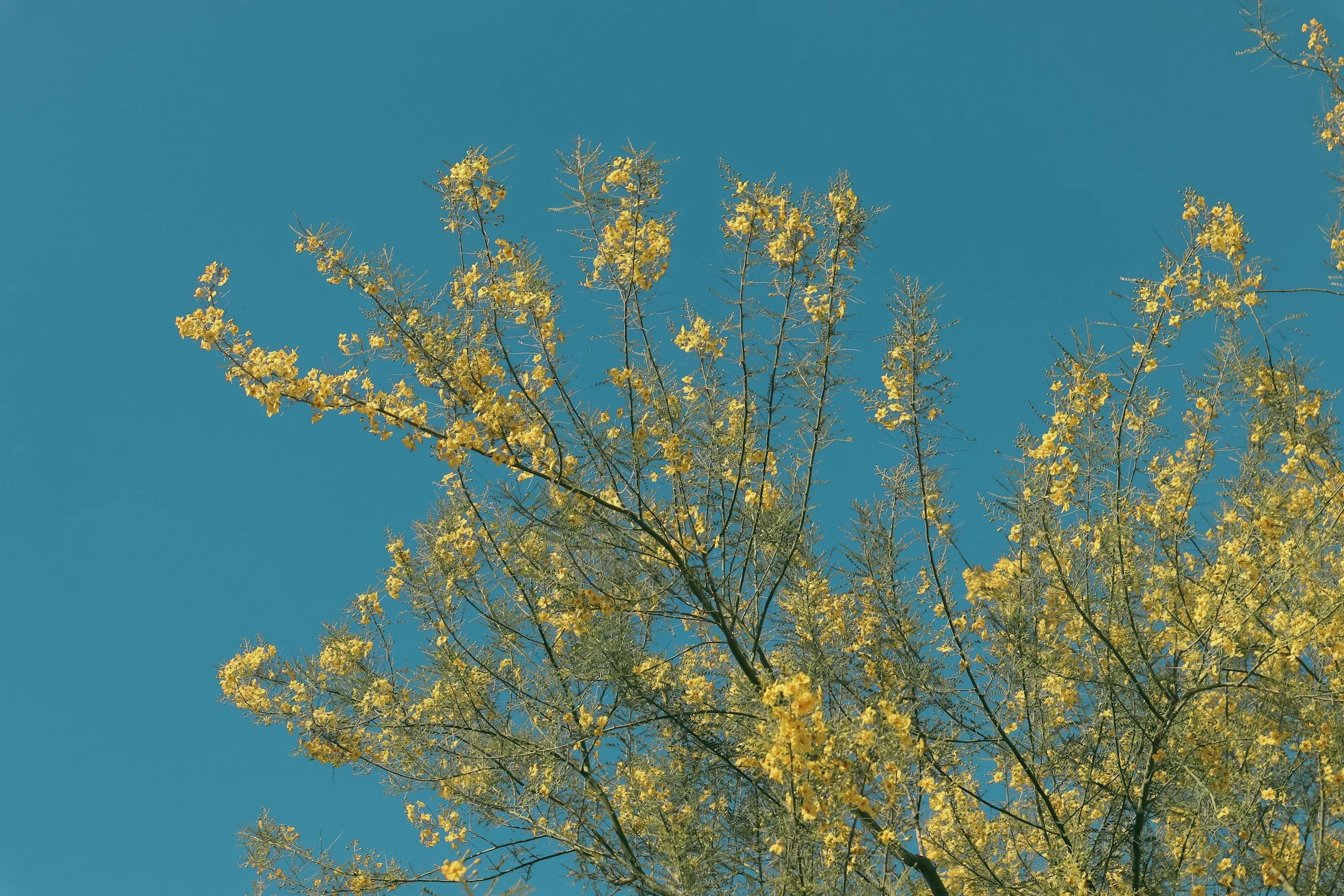
When I moved to Phoenix 18 years ago, the desert taught me something different. Even in the driest places, life finds a way to root. A palo verde pushing through rock. Wildflowers after one good rain. Nature doesn't only soothe us. It also shows us how to keep going.
What ecotherapy is
Ecotherapy is an approach to healing that includes our relationship with the natural world. It can mean doing parts of therapy outdoors. It can also be as simple as noticing a plant on your windowsill, the light changing in the sky or the feeling of the ground under your feet.
It isn't about hiking ten miles or being "outdoorsy." It's about remembering that you are part of something living, and letting that living world do some of the holding.
Why it matters so much when you carry a lot
The people I work with are often the ones everyone leans on: mothers, adult children caring for aging parents, therapists, nurses, teachers, the friend everyone calls in a crisis. Many of them have spent years holding space for others. Their nervous systems are often stuck on high alert, scanning for who needs something next.
Nature offers a kind of support that asks nothing back. The ground holds you whether or not you've earned it. A tree doesn't need you to be productive. For people who are used to giving, that can feel strange at first, and then deeply relieving.
In my work, I've seen how even small moments outdoors can help the body shift out of survival mode. A slower breath. Shoulders dropping. A sense of space that wasn't there before.
Try this today
This month on Instagram, I've been sharing practices from my free guide, Abiding with Nature. Here's one you can do in a minute:
Find one small sensation, like the air at your nostrils or the feeling in one fingertip. Stay with it for five breaths.
Now widen your attention to everything at once: every sound, your whole body, the space around you. Stay for five breaths.
Move back and forth a few times. Notice which one settles you today.
No trip to the mountains needed. A window works. So does a glass of water.
Keep going
If you'd like all five practices, with a reflection page for each day, you can get Abiding with Nature free here.
And if you're the one who's always holding everyone else, and you're ready for support of your own, I'd love to talk. I offer sessions in Phoenix and via telehealth for Arizona and Colorado residents, and a free 15-minute consultation.